
In this article

Yes, you can get a mortgage on a Grade 2 listed building, although the lender will need to be satisfied with the property’s condition, valuation and suitability as mortgage security.
Some mortgage lenders are prepared to consider listed buildings, including properties with original features and restrictions on alterations.
Others have stricter requirements or may not accept certain listed properties.
A Grade 2 listing does not automatically mean you need a specialist mortgage. The outcome will depend on the individual property and the lender’s criteria.
What Does Grade 2 Listed Mean?
A Grade II listed building is a property recognised for its special architectural or historic interest.
According to Historic England, approximately 92% of listed buildings in England are Grade II, making this the category homeowners are most likely to encounter.
Listing protects the building’s historic character and places restrictions on certain alterations, including changes to the interior and exterior.
You can check a property’s listing and its recorded details through Historic England’s National Heritage List.
For mortgage purposes, the important consideration is how the property’s listed status affects its condition, future maintenance and the lender’s ability to sell it if necessary.
How Do Mortgage Lenders Assess Listed Buildings?
Mortgage lenders assess listed buildings differently from standard residential properties because their construction and maintenance requirements can be less straightforward.
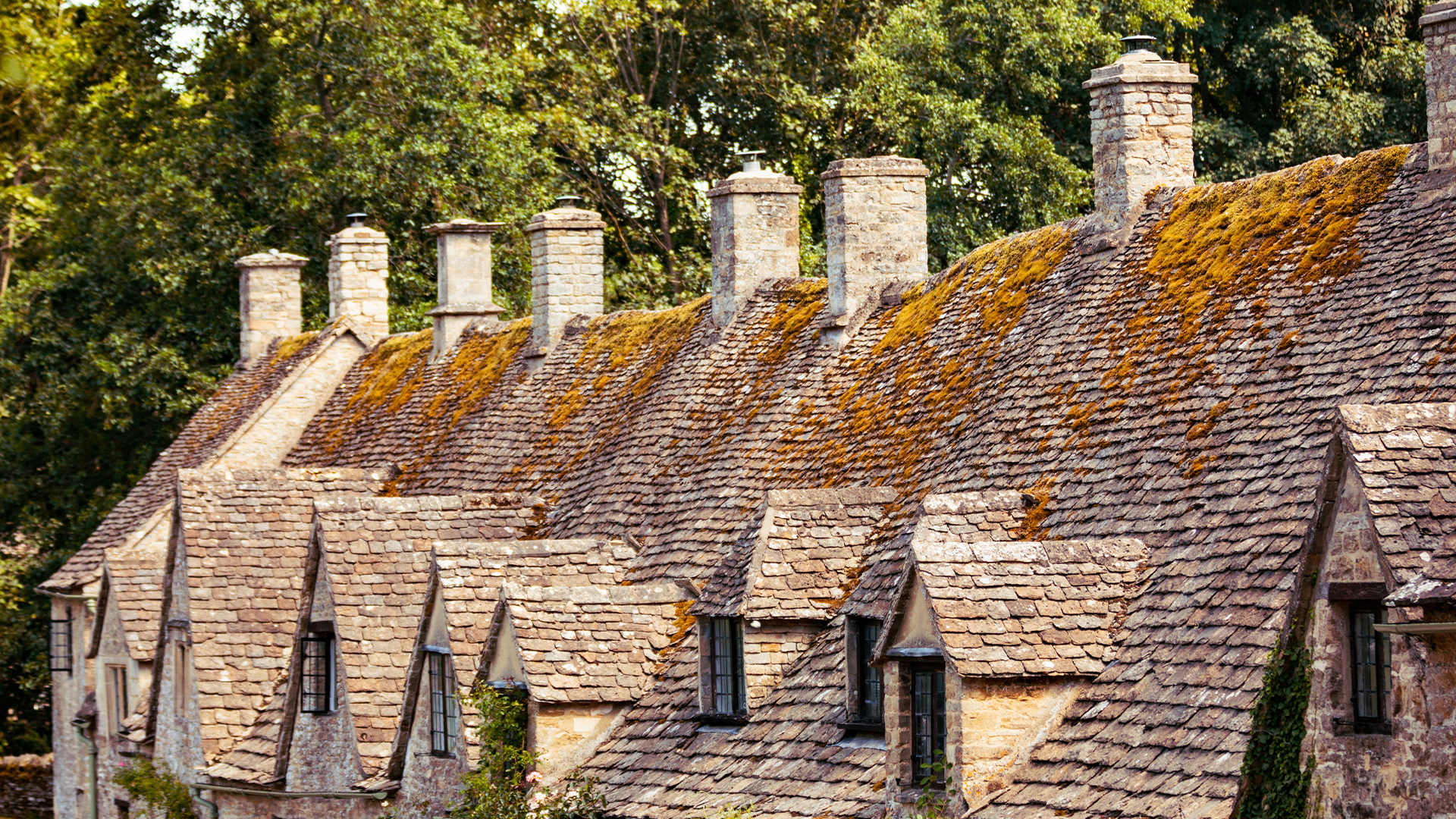
The property may have older roofing materials, traditional timber frames, unusual layouts or features that need specialist repairs.
These characteristics do not necessarily prevent a mortgage, although the lender will need to understand their potential effect on the property’s condition and value.
Why Is the Mortgage Valuation Important?
The valuation is particularly important when buying a listed building.
A lender-appointed valuer will assess whether the property provides suitable security for the mortgage. This includes considering its condition, marketability and any issues associated with its construction.
The valuer may recommend further inspections where concerns arise, particularly if there are signs of structural problems or significant maintenance requirements.
A property being Grade II listed does not automatically make it unsuitable for lending. Two listed buildings with the same grade could receive different valuation outcomes depending on their condition.
This is why mortgage eligibility cannot be established from the listing grade alone.
Can You Get a Mortgage on a Grade 1 Listed Building?
Getting a mortgage on a Grade I listed building can be more complicated, as these properties are recognised as being of exceptional historic or architectural interest.
There is also a Grade II* category for particularly important buildings, which can require additional consideration.
Properties with higher listing grades may have more specialist construction or maintenance requirements, potentially restricting the lenders prepared to consider them.
Specialist mortgage lenders may be an option, although acceptance remains dependent on their criteria and the valuer’s report.
Grade II properties generally provide a more realistic starting point for mortgage enquiries, with options still dependent on the individual building.
What Should You Check Before Buying a Listed Property?
Before purchasing a listed building, it’s worth understanding the responsibilities that come with owning it.
Certain alterations and repairs may require listed building consent, even where the work would be relatively straightforward on a modern property.
This could affect plans to replace windows, change the layout, extend the property or alter original features.
You should also check whether previous alterations received the necessary consent. Unauthorised work can create legal difficulties and may affect the mortgage or purchase process.
Repairs, Maintenance and Insurance
Listed properties can sometimes require specialist materials or tradespeople to maintain their historic features.
This may increase the cost of repairs, particularly where traditional construction methods need to be preserved.
Buildings insurance is another consideration. The cover needs to be suitable for the property, including the potential cost of repairing or rebuilding its listed features.
Mortgage lenders generally require appropriate buildings insurance, so establishing that suitable cover is available before proceeding can help avoid difficulties later.
Do You Need a Specialist Mortgage Broker?
Buying a listed building does not necessarily require a specialist mortgage lender, although finding one prepared to consider the property can involve additional research.
A lender may be comfortable with a well-maintained Grade II listed home while declining another property because of its condition, construction or valuation.
At UK Moneyman, we have access to over 90 mortgage lenders, allowing us to consider different property criteria when reviewing less straightforward applications.
Our mortgage advisors can discuss the property’s listing grade, construction and any known issues before identifying lenders that may be suitable.
The final decision will still depend on the mortgage application and the lender’s valuation of the property.
Getting Mortgage Advice for a Listed Building
If you’re considering buying a Grade II listed property, it’s worth checking your mortgage options before committing to the purchase.
We can review your borrowing needs alongside the details of the property, helping establish which lenders may be prepared to consider it.
During your free initial mortgage appointment, our mortgage advisors can explain the likely lending requirements and any additional information needed.
A listed building can still be a suitable home to purchase with a mortgage.
Understanding the lender’s requirements and the property’s condition early can help you approach the purchase with a clearer idea of what is possible.