
In this article

An energy-efficient home could make buying more affordable by leaving you with less to spend on heating and electricity each month.
Looking at those costs alongside your mortgage repayments could give you more choice when searching for a property.
Rightmove’s 2026 Greener Homes Report found that 49% of homes for sale had an EPC rating of C or above, up from 40% five years earlier.
The annual report, published in October, also found that 63% of movers would ideally like a home that generates all or a substantial share of its own energy.
For buyers, this creates another way to compare properties. A home with a higher asking price could cost less to run, while a cheaper property may leave you with money available to improve its energy efficiency.
How Could Lower Running Costs Help Your Budget?
Lower energy bills leave more of your income available for your other monthly expenses. This can make a difference when you are working out how comfortably you could afford a home.
If two properties have similar mortgage repayments, the one that costs less to heat could give you more room in your budget.
A difference in running costs could also narrow the gap between a cheaper home and one with a slightly higher purchase price.
We can compare the mortgage repayments at different purchase prices. Adding expected household bills gives you a better idea of what living in each property could cost.
This is particularly useful if you have ruled out a home based on its asking price alone. It may still be worth comparing the figures before deciding which properties to view.
What Should You Compare Between Properties?
Comparing homes of a similar size and type will give you a more useful picture of their energy costs. Two properties with the same number of bedrooms could have quite different amounts of space to heat.
The EPC can help you understand those differences. It rates energy efficiency from A to G, with A being the highest, and includes information about the heating, insulation and improvements that could be made.
Look at the current rating alongside the recommendations.
A home with a lower rating may have scope for improvements that fit your budget. Another property may already have that work completed, reducing what you need to spend after moving.
The estimated costs on an EPC are a starting point for comparison. They use standard assumptions and cover heating, hot water and lighting. Your household’s energy use and current prices will affect what you actually pay.
Could An Older Home Still Be An Affordable Choice?
An older home could still suit your budget, particularly if its purchase price leaves you with enough money for improvements.
The useful question is what work the individual property needs. An EPC may recommend insulation, changes to the heating or other measures that could reduce running costs.
Getting quotes before committing to the purchase helps you judge the cost of buying and improving the home together.
You may be able to spread suitable improvements over time. If that is your plan, allow for the property’s existing energy costs while you save for the work.
The same approach applies if you already own your home. Reviewing its energy performance could reveal improvements worth considering before you spend money on a larger installation or decide to move.
If you are considering a remortgage to fund energy improvements, we can compare the additional repayments and fees against the cost of funding the work another way.
Borrowing over a longer period can increase the total interest paid, so the expected energy savings need to be considered alongside that cost.
What If The Home Has Solar Panels Or A Heat Pump?
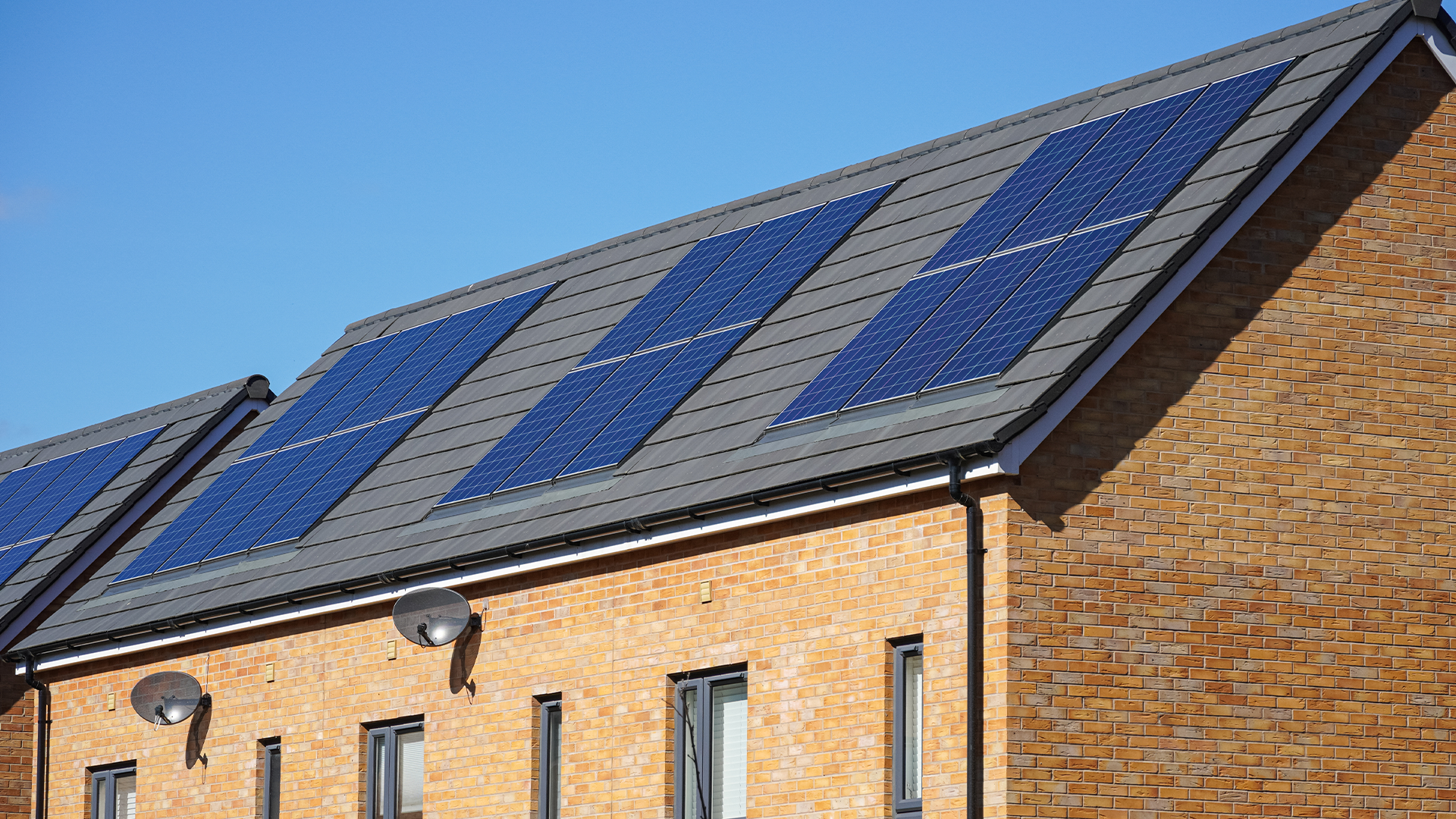
Solar panels and heat pumps are worth looking at in more detail when comparing homes. Their value to your monthly budget depends on the property and how you use the system.
Solar savings depend partly on how much of the electricity generated you use at home. Battery storage can let you keep surplus electricity for use later, so the setup matters alongside the panels themselves.
With a heat pump, insulation and the heating system affect how efficiently it works. Ask for servicing records and information about the installation so you can understand what is already in place and any work it may need.
This helps you put a realistic figure into your budget instead of relying on the property description.
How Does Energy Efficiency Affect Your Mortgage Options?
Lower running costs could make a home more comfortable to afford, although they do not automatically increase the mortgage available to you. Lenders still assess your income, spending and ability to keep up with repayments.
An energy-efficient property may also qualify for a green mortgage, with some lenders offering a rate discount or cashback for homes that meet their requirements.
We compare these with other suitable deals, as the overall cost matters more than the green label.
Our mortgage advisors can look at the borrowing available and compare monthly repayments for the properties you are considering.
If you want to keep some savings for energy improvements, we can factor that into the deposit and mortgage figures too.
You can then search with a budget that covers buying the home, living in it and making the changes you have planned.